
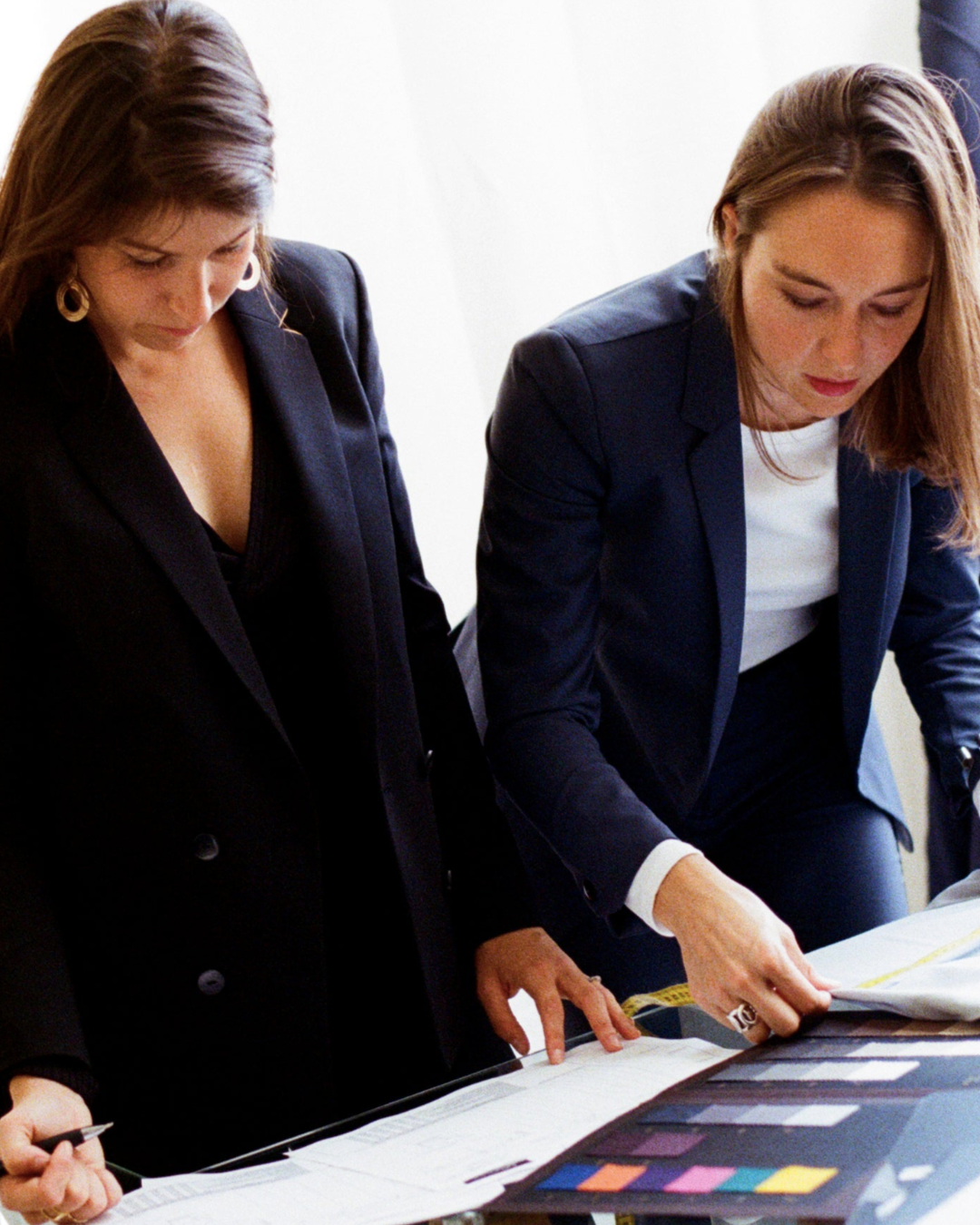
Tailoring in the 90s: minimalism, hip-hop and new cuts
Breaking with the 80's: the era of minimalism
In the 90s, tailoring is worn differently than in the previous two decades. Fashion changed profoundly, letting the trends of the 1980s disappear: ostentatious materialism was rejected in favor of a minimalist, more sober and essential style.
Hip-hop and streetwear influences
The dress style of the 90s was strongly inspired by hip-hop, the era's signature music. Tailoring expanded: fuller jackets, slack shoulders, straight pants and combinations with streetwear pieces for a relaxed, urban look.
Emblematic colors, patterns and materials
In terms of palette, the '90s suit favors gray, black and blue, as well as checks and stripes for a sober, graphic look. Skirts became more form-fitting thanks to the rise of stretch fabrics, modernizing the silhouette without losing comfort.
From 90's heritage to contemporary tailoring
Since then, tailoring has evolved by reinterpreting these codes: controlled volumes, clean lines, supple materials and functional details. The 90's attitude - casual, self-assured, graphic - still feeds today's tailoring.
A reminder: the fundamentals of tailoring
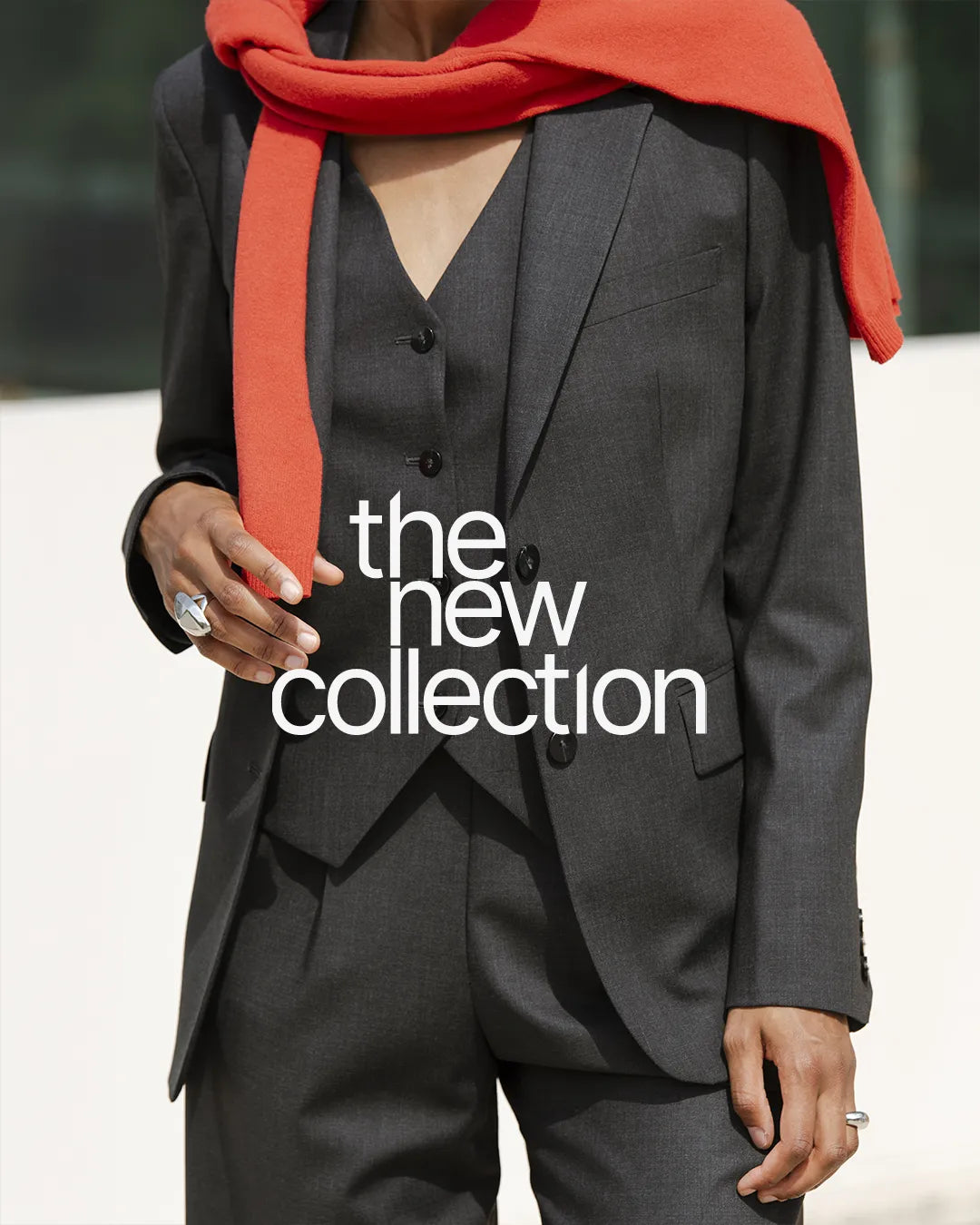
A suit remains true to its principles: it consists of two pieces - a jacket and a skirt or pair of pants - made from the same material and in the same color. This framework ensures the harmony of the silhouette, whatever the period.